Buying for your business
Should I keep leasing or own the property my business operates from?
For many business owners, the premises eventually become more than somewhere to operate from.
Which raises the questions...
Do you continue paying rent to a landlord and keep your capital focused on the business?
Or do you acquire the property, control your occupation and build ownership of an asset alongside the business?
There is no universal answer.
Owning your premises can provide control, certainty and long-term wealth creation. Leasing can preserve capital, flexibility and the ability to move as the business changes.
The right decision depends on the business, the property, the capital required and what you want both to look like in the future.
Start with the business
The property should serve the business, not constrain it.
Before considering what property to buy, consider what the business actually needs.
How much space do you require today?
How much might you require in five or ten years?
Is the business growing, consolidating or changing the way it operates?
How important is the location?
Would moving materially affect staff, customers, suppliers or operations?
And how specialised does the property need to be?
Buying can make sense when there is confidence that a property will remain suitable for the business over a meaningful period.
But committing substantial capital to a building the business may outgrow, or no longer need, can create a different problem.
The first question is not Should I buy? It is What does the business need from its property?
Understand what leasing gives you
Rent is not necessarily wasted money.
Leasing is sometimes described as paying someone else’s mortgage.
That is too simplistic.
A lease gives a business access to premises without having to commit the capital required to own them.
That can provide important advantages:
- More capital available for the operating business
- Greater flexibility to relocate
- Ability to expand or contract more easily
- Access to locations that may be difficult to purchase
- Reduced exposure to property market movements
- Less capital tied to a non-core asset
- Potentially less responsibility for major building expenditure
For a growing business, that flexibility may be extremely valuable.
The question is not whether paying rent feels less attractive than owning.
It is whether the capital required to purchase the property could be more productive somewhere else.
Understand what ownership gives you
Control can be valuable.
Owning the property your business occupies changes the relationship between the business and its premises.
Subject to finance, planning and other requirements, ownership can provide greater control over:
- How long the business remains in the property
- Building improvements
- Fitout
- Expansion
- Signage
- Operational changes
- Future redevelopment
- Timing of relocation
It may also remove some of the uncertainty associated with lease expiry, landlord negotiations and future rental increases.
And instead of paying rent to an external owner, the property can become a separate asset with its own income, value and long-term investment potential.
But ownership does not remove occupancy costs.
It changes their form.
Compare the real cost — not just rent versus repayments
The calculation is broader than it first appears.
A simple comparison between annual rent and loan repayments rarely tells the whole story.
Purchasing commercial property can involve:
- Deposit or equity contribution
- Stamp duty and acquisition costs
- Finance costs
- Legal costs
- Valuation costs
- Due diligence
- Building inspections
- Council rates
- Land tax where applicable
- Insurance
- Repairs and maintenance
- Capital expenditure
- Property management and administration
- Opportunity cost of the capital invested
Leasing has its own costs, including:
- Rent
- Outgoings
- Rental increases
- Lease incentives and reversals
- Fitout
- Make-good obligations
- Relocation risk
- Loss of control at lease expiry
The correct comparison is not:
Rent versus mortgage.
It is:
What does each option cost the business, what capital does each require, and what does each leave you owning at the end?
Ask what else the capital could do
Property is competing with your business for capital.
For many owner-occupiers, the largest cost of buying is not visible on the settlement statement.
It is the capital that can no longer be used elsewhere.
If a property requires a substantial deposit, ask what return that money might otherwise generate inside the business.
Could it fund:
- New staff?
- Equipment?
- Inventory?
- Another location?
- Marketing?
- Technology?
- An acquisition?
- Working capital?
For a high-growth business, retaining that capital may be more valuable than owning the premises.
For a mature business generating surplus cash, the equation may look very different.
Property ownership should strengthen your position — not starve the business that occupies it.
Think about how long you will stay
Time can change the economics.
Commercial property has meaningful transaction costs.
Buying and then selling again a short time later can be expensive.
That means ownership generally becomes more compelling when the business expects to occupy the property for a sufficiently long period.
Consider:
How stable is the business?
How predictable are its space requirements?
Is the location strategically important?
Could technology change the way the business operates?
Could an acquisition or expansion require different premises?
Could the business eventually be sold?
There is no single minimum ownership period that suits every situation.
But the shorter and less certain the occupancy horizon, the more valuable leasing flexibility can become.
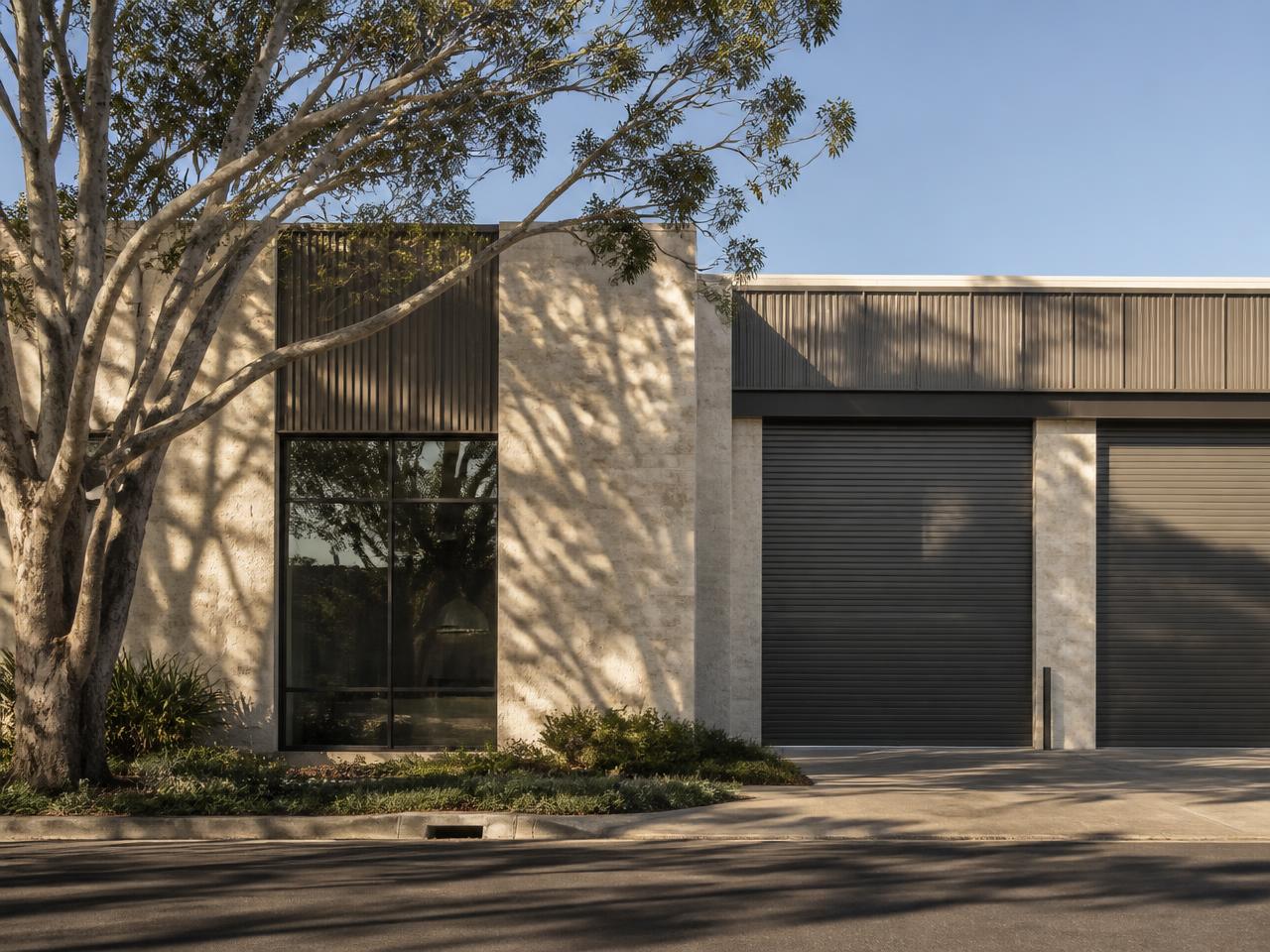
Buy a property that works without your business
This may be the most important test.
Owner-occupiers can make a dangerous assumption:
“It suits us, therefore it is a good property.”
Those are not the same thing.
Your business may be able to tolerate a strange layout, poor access, limited parking or highly specialised improvements because the property has been configured around your operations.
The next occupier may not.
Before purchasing, imagine your business is no longer there.
Then ask:
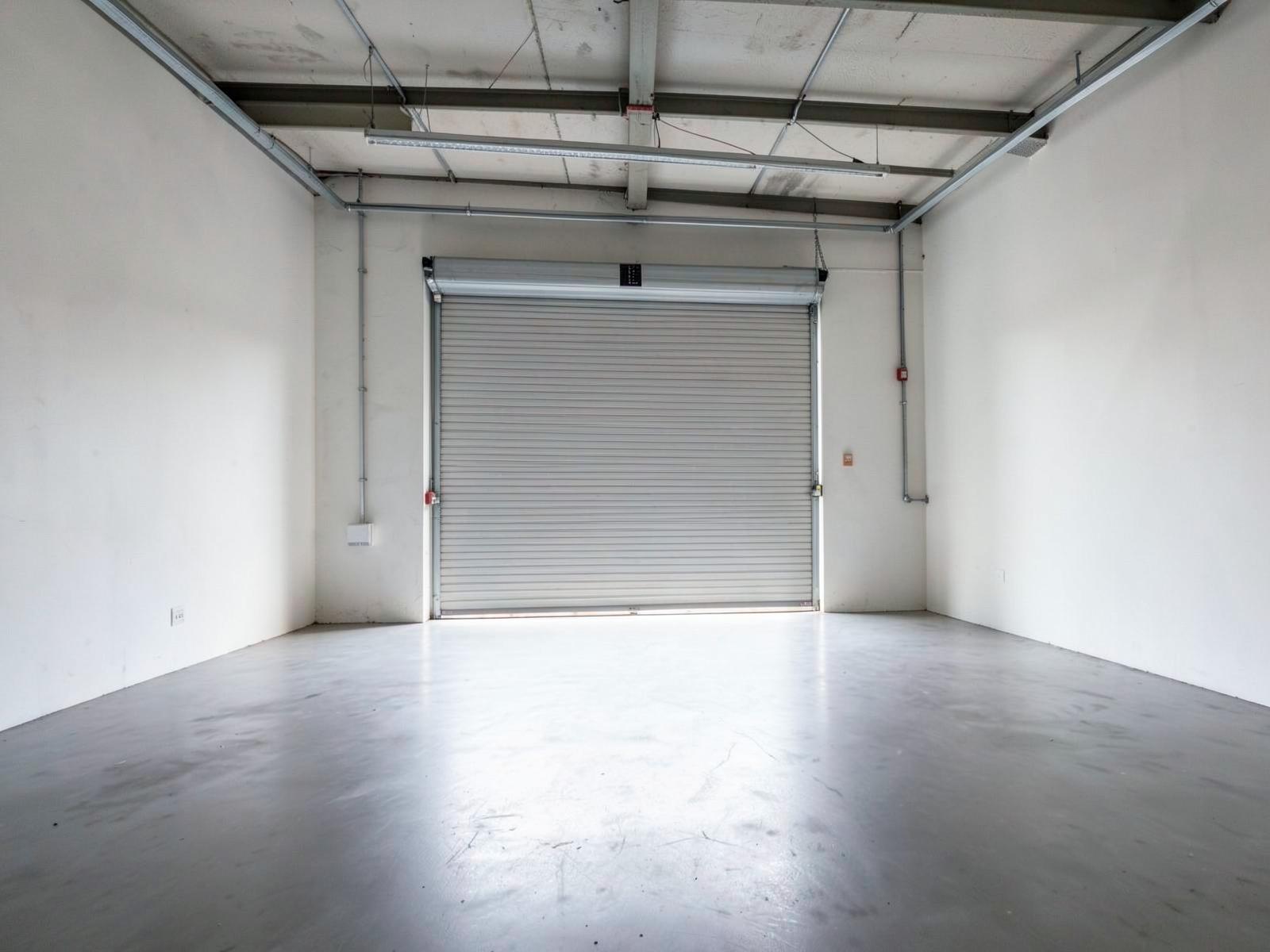
Would somebody else want to lease this property?
Consider:
- Location
- Access
- Exposure
- Parking
- Land component
- Building configuration
- Loading
- Ceiling height or clearance
- Power
- Amenities
- Flexibility
- Planning controls
- Alternative uses
- Future tenant demand
The stronger the underlying property, the less dependent your investment is on your own business remaining there forever.
Don't over-specialise without understanding the consequences
Purpose-built can become purpose-limited.
Some businesses require specialised premises.
That can make ownership particularly attractive because the business gains control over a property designed specifically for its operations.
But specialisation can also narrow the future market.
Consider the difference between:
A flexible warehouse that could accommodate dozens of businesses.
And:
A highly modified facility suitable for only a small number of occupiers.
Specialisation is not necessarily a reason not to buy.
But you should understand what the property might be worth, and what it might cost to adapt, if your business eventually leaves.
Separate the property decision from the business decision
You are potentially making two investments.
When a business owner acquires their premises, there are two things to assess:
The operating business.
And:
The commercial property.
The fact that you understand your own business does not mean the property should escape normal investment scrutiny.
It should still be assessed against:
- Market value
- Market rent
- Comparable sales
- Property fundamentals
- Location
- Alternative tenant demand
- Capital expenditure
- Planning
- Future development potential
- Exit liquidity
If you would not consider the property attractive with another tenant in place, it is worth asking why you are comfortable owning it simply because your own business occupies it.
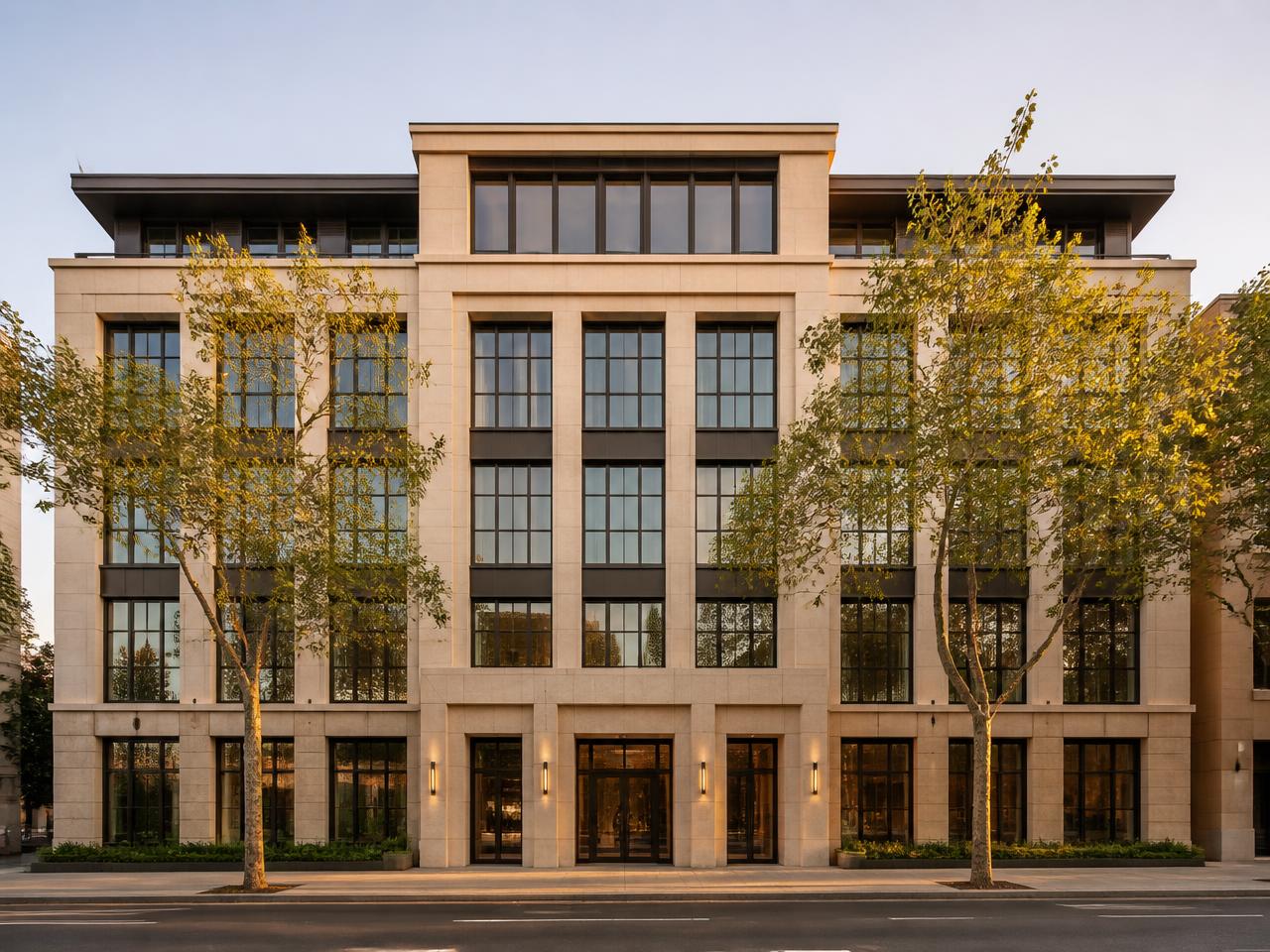
Establish a market rent
Even when you own both sides, the rent still matters.
Where the property and operating business are held separately, the business may lease the premises from the property-owning entity.
That rent should not simply be an arbitrary number.
Understanding market rent is important because it helps establish:
- The true occupancy cost of the business
- The income performance of the property
- Whether the property is being assessed realistically
- The value of the property as an investment
- What another tenant might reasonably pay
The ownership and leasing structure can also have legal, taxation, financing and asset-protection implications.
Those matters should be considered with appropriately qualified accounting, legal and financial advisers.
Consider what happens if the business is sold
The property and the business may have different futures.
One of the advantages of owning commercial premises is that selling the business does not necessarily mean selling the property.
Depending on the circumstances, you may be able to retain the property and lease it to the new business owner.
That can turn an operating asset into an investment asset.
Alternatively, a future purchaser of the business may want to acquire the property as part of the transaction.
Both scenarios can create options.
But only if the property itself remains commercially attractive.
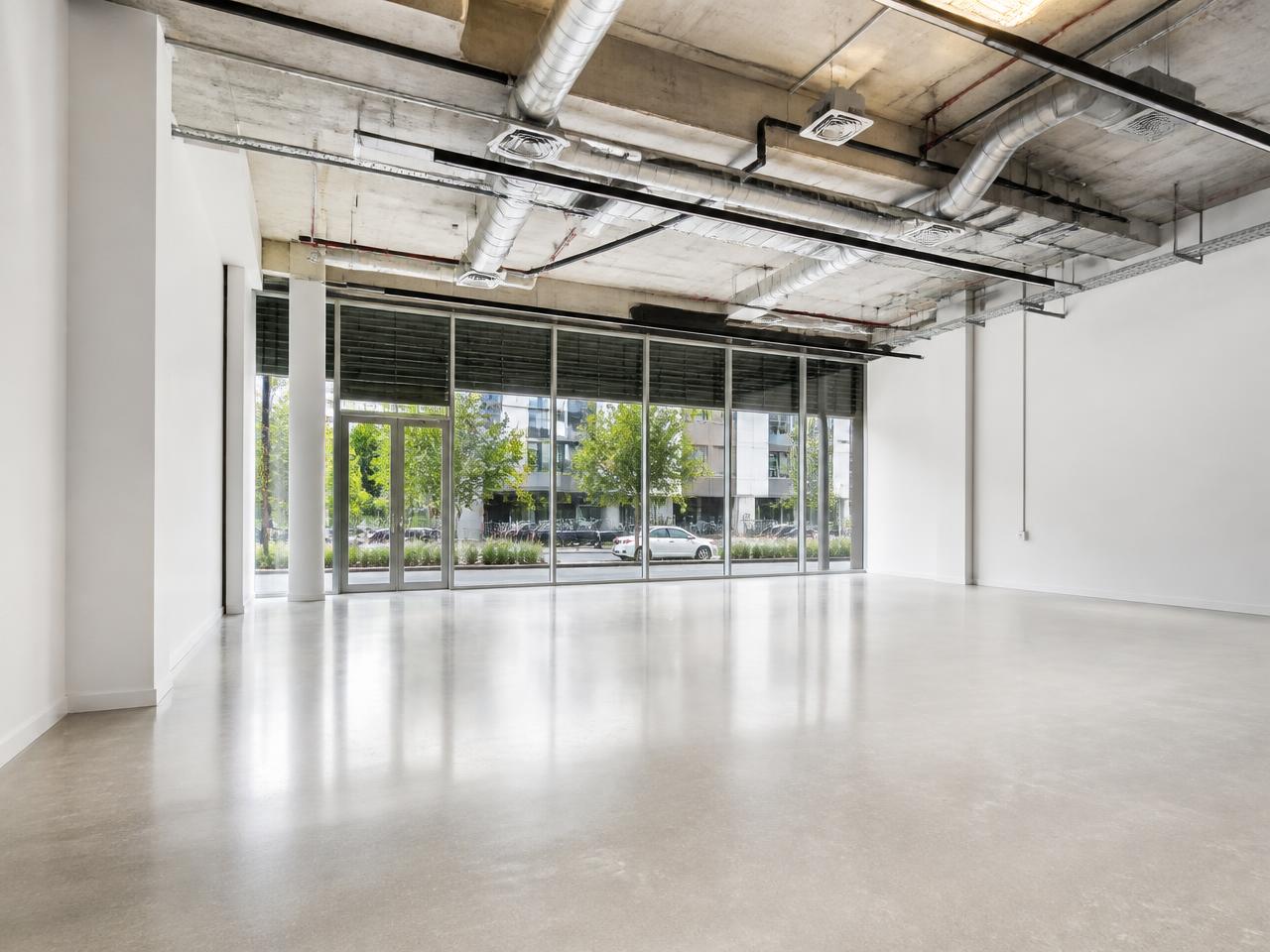
This is another reason to assess the real estate independently from the current business occupying it.
Consider the downside
Control does not eliminate risk.
Before committing capital, ask what happens if circumstances change.
What if the business outgrows the premises?
What if revenue falls?
What if the business is sold?
What if the business closes?
What if finance becomes more expensive?
What if the property requires significant capital expenditure?
What if a better location becomes strategically necessary?
What if the property falls in value?
What if you need access to the capital tied up in the building?
Owning may still be the right decision.
But the decision should work under more than one version of the future.
So, when can buying make sense?
Ownership may warrant serious consideration when:
- The business is established and financially stable
- You expect to occupy the premises for the long term
- The location is strategically important
- The property suits both current and future operational requirements
- Sufficient capital remains available for the business
- The property has sound underlying investment fundamentals
- Greater control over the premises has genuine value
- You want to build a commercial property asset alongside the operating business
- The numbers remain sensible after considering all ownership costs
None of these factors alone determines the answer.
Together, they help build the case.
And when can leasing still be the better decision?
Leasing may remain preferable when:
- The business is growing quickly
- Future space requirements are uncertain
- Flexibility is important
- Capital can generate better returns inside the business
- Suitable properties are available to lease but difficult or expensive to buy
- The property required by the business would be highly specialised
- You are unsure how long the business will remain in the location
- Purchasing would place unnecessary pressure on cash flow or borrowing capacity
Choosing not to buy is not a failure to invest.
Sometimes it is simply the better allocation of capital.
The questions we would want answered
Six things we would want clarity on
Before buying premises for your business, we would want clarity around six things:
01
What does the business genuinely need from its premises?
02
How long are you likely to need this property?
03
What capital will ownership remove from the business?
04
Is the property itself an asset worth owning?
05
What happens to the property if your business leaves?
06
Does ownership improve your overall position compared with continuing to lease?
If those questions can be answered convincingly, buying the premises may create value on both sides of the equation.
A home for the business today.
And an asset capable of standing on its own tomorrow.
The right property should work for the business — and beyond it.
Owning your premises can provide control, certainty and the opportunity to build wealth outside the operating business.
But ownership should be the result of a considered property and capital decision — not simply a desire to stop paying rent.