
LOCATION — VIC
Commercial Property Buyers Agent Melbourne
Melbourne is one of Australia’s largest and most diverse commercial property markets, offering investors access to industrial, office, medical, retail and other commercial assets across a wide range of precincts.
Buying commercial property in Melbourne
Melbourne is one of Australia’s largest and most diverse commercial property markets.
It offers investors access to industrial, office, medical, retail and other commercial assets across established inner city precincts, major suburban employment centres and some of the country’s largest industrial corridors.
But Melbourne should not be treated as one market.
A logistics facility in Truganina has little in common with a warehouse in Moorabbin. An office in Cremorne attracts a different tenant market from a medical property in Box Hill. A retail investment in an established inner eastern strip needs to be assessed differently from an industrial facility in Dandenong South.
At UB Commercial, we represent investors and business owners acquiring commercial property throughout Melbourne.
We begin with the acquisition brief, then determine which parts of Melbourne and which property types are most appropriate for the buyer.
The objective is not simply to own commercial property in Melbourne.
It is to identify a property where the location, building, tenant, lease, income and price work together to create an asset worth owning.
Why investors consider Melbourne commercial property
A large economy creates a broad commercial property market
Melbourne supports businesses across logistics, manufacturing, healthcare, professional services, construction, technology, education, retail and a large small and medium business sector.
That breadth creates demand for many different types of commercial premises.
For an investor, this can provide a deeper pool of potential tenants and a wider range of investment opportunities.
But that diversity also means broad statements about the Melbourne market are rarely enough to make an acquisition decision.
We want to understand the businesses that use a particular precinct.
Why are they located there?
What type of property do they need?
How much competing space is available?
What rent can the local tenant market support?
Would another business want the property if the current tenant left?
The answers vary significantly across Melbourne.
The strength of the broader city matters. The performance of the investment still comes down to the individual property.
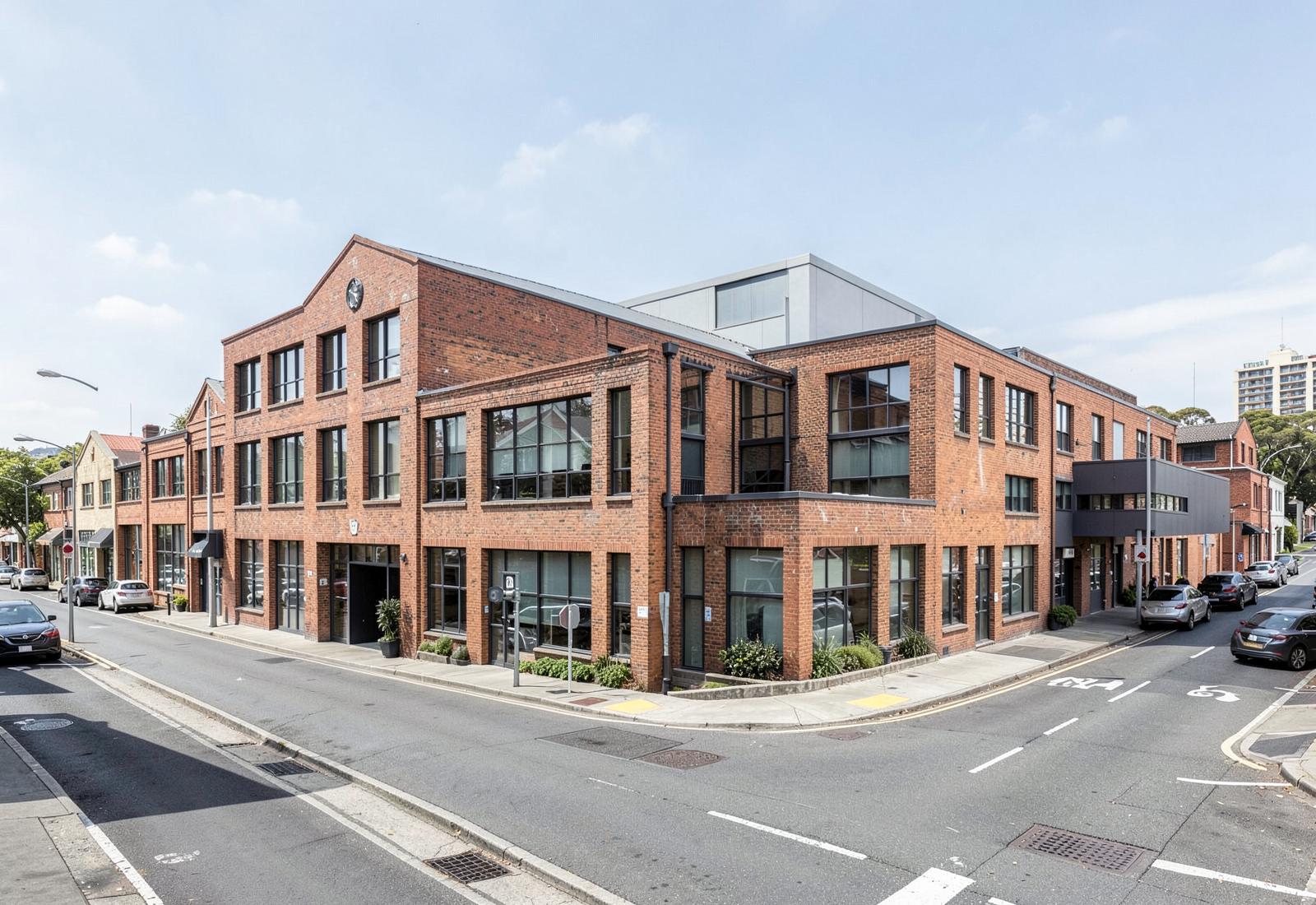
Melbourne is a collection of commercial property markets
The acquisition brief should determine where we look
Different parts of Melbourne offer very different commercial property characteristics.
The South East contains some of Melbourne’s deepest industrial markets, including Dandenong South, Keysborough, Braeside, Moorabbin and surrounding employment areas.
The West has become a major logistics and distribution market, with extensive industrial development through locations such as Truganina, Laverton North, Derrimut, Altona North and surrounding precincts.
The North supports manufacturing, warehousing, trade and logistics businesses across areas including Campbellfield, Thomastown, Epping, Tullamarine and nearby industrial centres.
The City Fringe provides a very different proposition. Richmond, Cremorne, South Melbourne, Port Melbourne, Collingwood and adjoining locations can offer offices, showrooms, smaller warehouses and mixed commercial property where proximity, land scarcity and owner occupier demand may be significant.
The Inner East can provide opportunities across medical, office, retail and mixed commercial property in established and tightly held locations.
Bayside and the surrounding south eastern suburbs can attract owner occupiers, medical operators, professional businesses and smaller industrial users seeking accessible premises close to established residential catchments.
There is no single Melbourne location that suits every investor.
The right market depends on what the property needs to achieve.
Industrial property in Melbourne
Understand what makes the building useful
Industrial property is a major part of Melbourne’s commercial investment market. But the term covers a wide range of assets. A large distribution centre servicing national logistics operations is very different from a small warehouse used by a local trade business. A modern high clearance facility can have very different leasing characteristics from an older freestanding industrial building with a larger land component. When assessing Melbourne industrial property, we look at how the building actually works. That includes factors such as:
- Vehicle and truck access
- Warehouse configuration
- Ceiling clearance
- Loading facilities
- Hardstand
- Parking
- Power supply
- Office component
- Land area
- Site coverage
- Building condition
- Ability to divide or expand the premises
- Alternative tenant demand
- Future capital expenditure
The importance of those characteristics changes according to the local occupier market. A logistics tenant may place significant value on motorway access, truck circulation and warehouse efficiency. A trade or service business may care more about location, parking, exposure and convenient access to customers.
The property needs to suit the businesses most likely to occupy it.
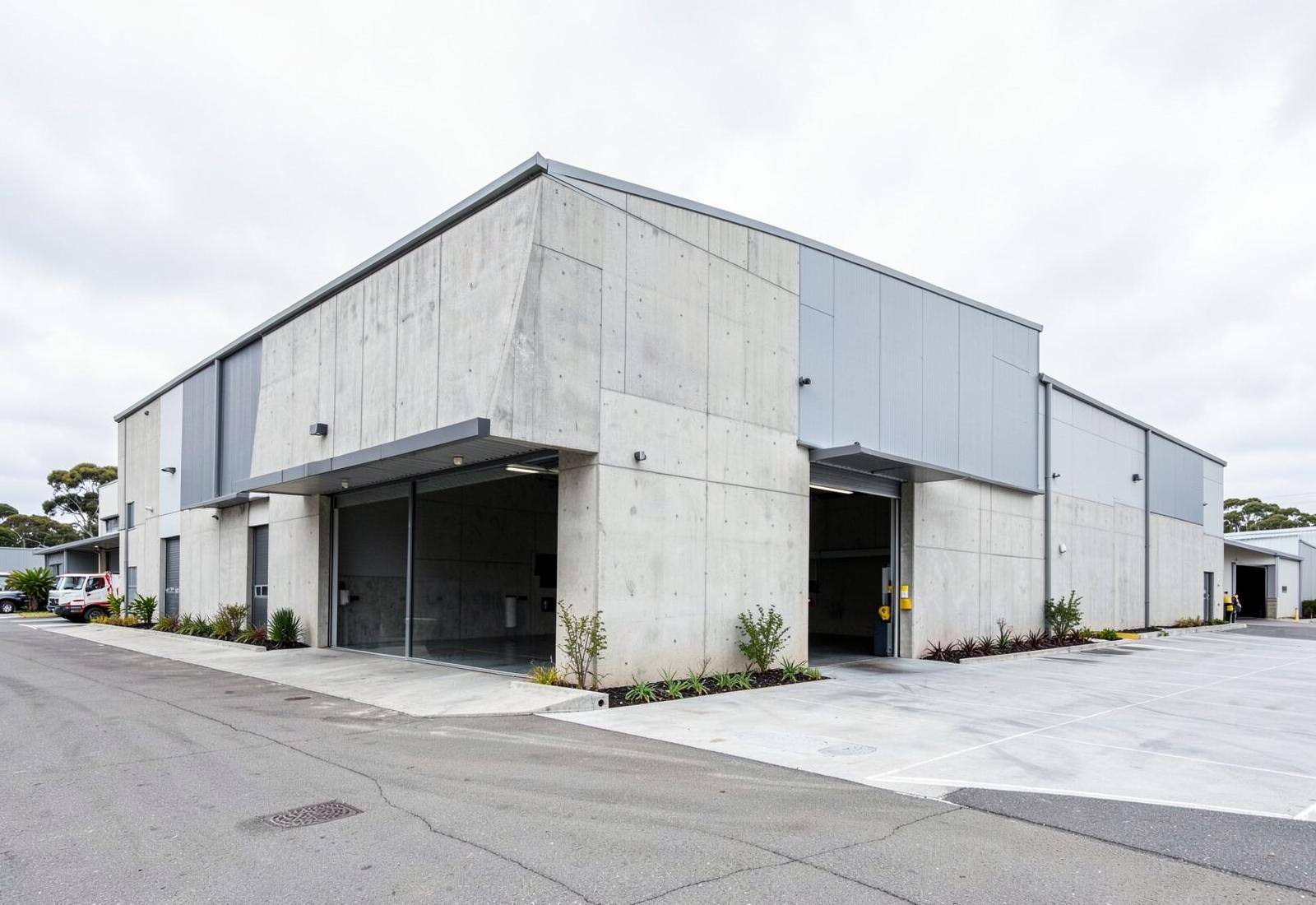
Melbourne’s South East
One of the city’s deepest industrial markets
Melbourne’s South East contains a substantial concentration of industrial, manufacturing, logistics and trade businesses.
Areas such as Dandenong South, Keysborough, Braeside and Moorabbin provide access to different types and sizes of property.
This depth can be attractive to investors because it may support a broader tenant market.
But a large industrial precinct does not make every building equally desirable.
We still need to understand:
Is access practical?
Does the warehouse configuration suit current occupier requirements?
Is there enough parking?
Is the office component appropriate?
What competing space is available?
What would another tenant pay?
How much newer supply is entering the market?
An established industrial location can provide strong fundamentals.
The asset still needs a clear reason to be selected over the alternatives.
Melbourne’s West
Logistics demand and future supply both matter
Melbourne’s western industrial markets play an important role in transport, warehousing and distribution.
Large industrial estates and access to major freight routes have created significant concentrations of logistics property.
For investors, this can provide opportunities to acquire modern facilities occupied by substantial businesses.
But areas capable of accommodating large amounts of development can also create future supply.
That means we consider both demand and competition.
How much land remains available?
What new buildings are being delivered?
Will future development compete directly with the property?
Does the asset have advantages that are difficult to reproduce?
A growing logistics market can be attractive.
But growth alone should not be confused with scarcity.
The stronger investment is the property that remains competitive as the market around it continues to develop.
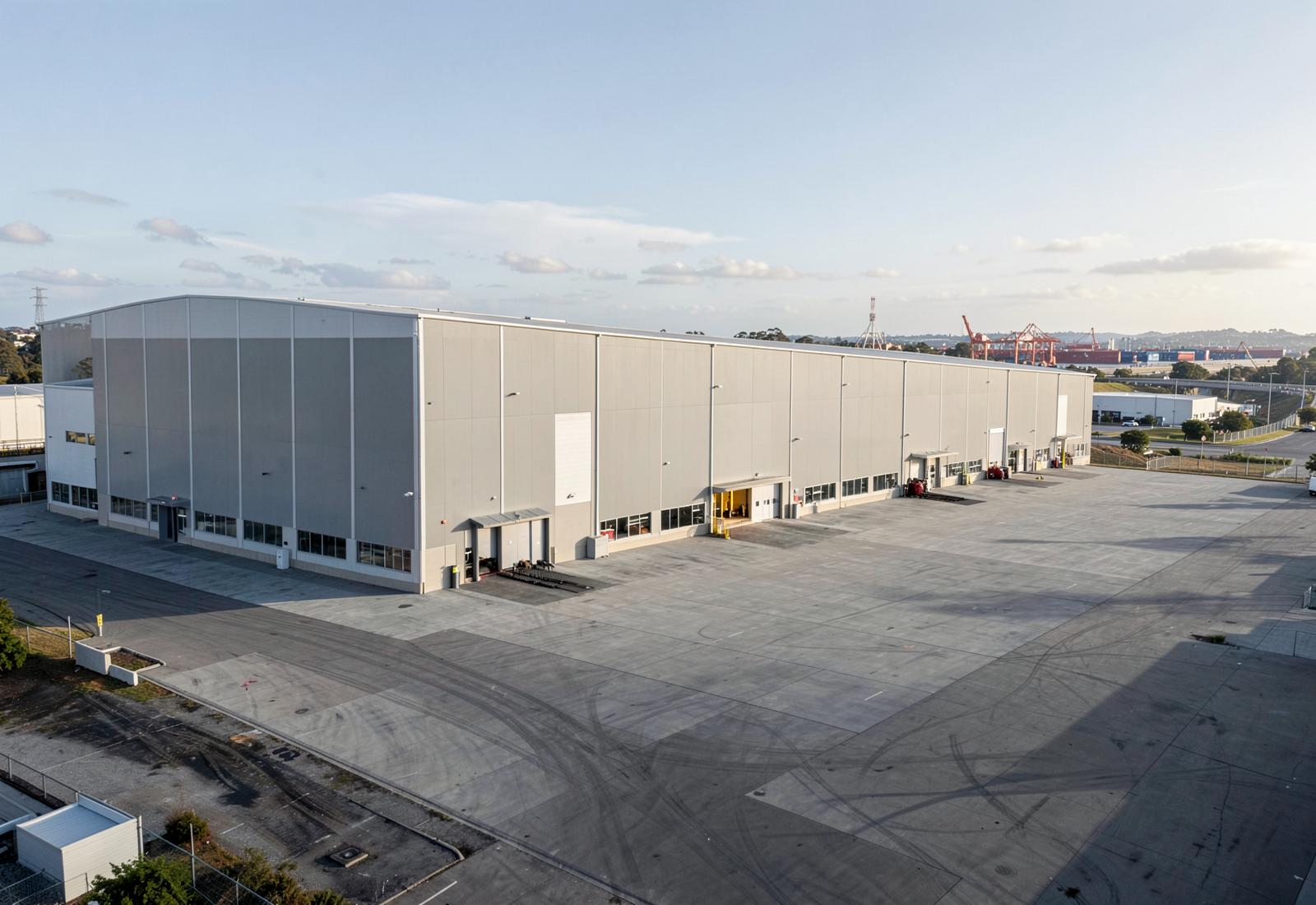
Melbourne’s North
Industrial depth needs to be assessed precinct by precinct
Melbourne’s northern commercial and industrial markets support manufacturing, warehousing, transport, automotive, trade and other business uses.
Campbellfield, Thomastown, Epping, Tullamarine and surrounding locations each have different characteristics.
Some tenants prioritise freeway and airport access.
Others value proximity to established customers, suppliers or workforce catchments.
For an investor, the key is understanding the role of the individual precinct and whether the property fits the businesses operating there.
A well located industrial asset with broad functionality may attract a deeper range of tenants than a specialised facility whose use is limited to a small number of operators.
That difference can become important when the current lease expires.
Melbourne office property
The building needs to compete for occupiers
Melbourne has a large and varied office market.
The CBD is only one part of it.
City fringe locations such as Richmond, Cremorne, South Melbourne and Collingwood attract a range of professional, creative, technology and other businesses.
Suburban office markets serve different occupiers again.
For office investments, we want to understand why a business would choose the property.
We consider:
- Location
- Public transport
- Parking
- Floorplate efficiency
- Natural light
- Building presentation
- Fitout
- End of trip facilities
- Surrounding amenity
- Outgoings
- Competing office supply
- Alternative tenant demand
Office property can be particularly sensitive to changes in how businesses use space.
A good lease provides income today.
A competitive building provides a better chance of replacing that income tomorrow.
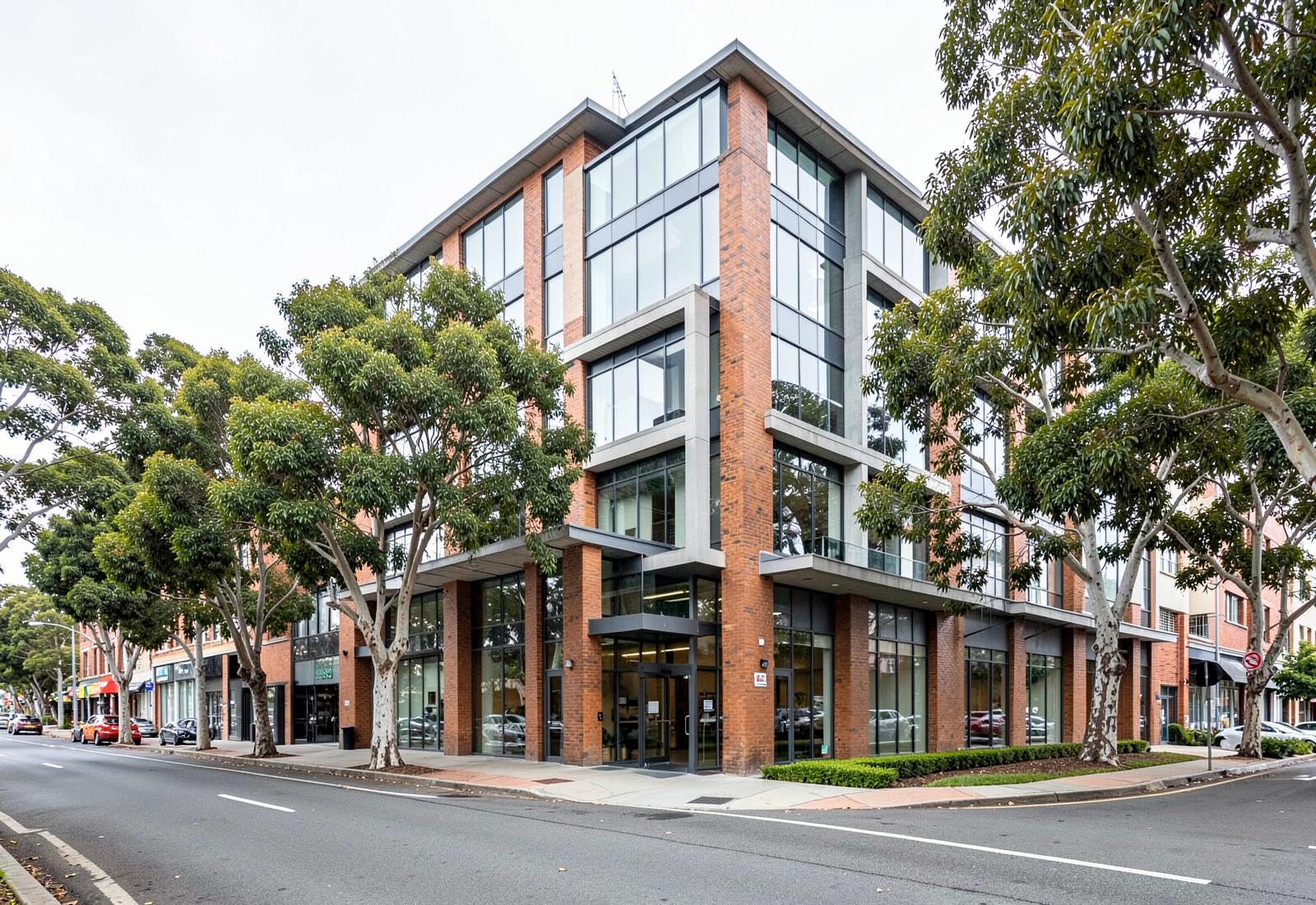
Medical and healthcare property in Melbourne
Strong demand still requires a strong property
Melbourne’s large and growing population supports significant demand for medical and allied health services.
That can create opportunities across established hospital precincts, suburban activity centres and specialist healthcare locations.
Medical operators may invest heavily in fitout and can value continuity of location.
Those characteristics may support longer occupation.
But we still assess the property independently of the current tenant.
We consider accessibility, parking, disability access, configuration, surrounding services, market rent, lease terms, fitout and the ability to accommodate another medical or commercial user.
A specialist tenant can strengthen the investment.
The underlying property still needs to remain commercially relevant.
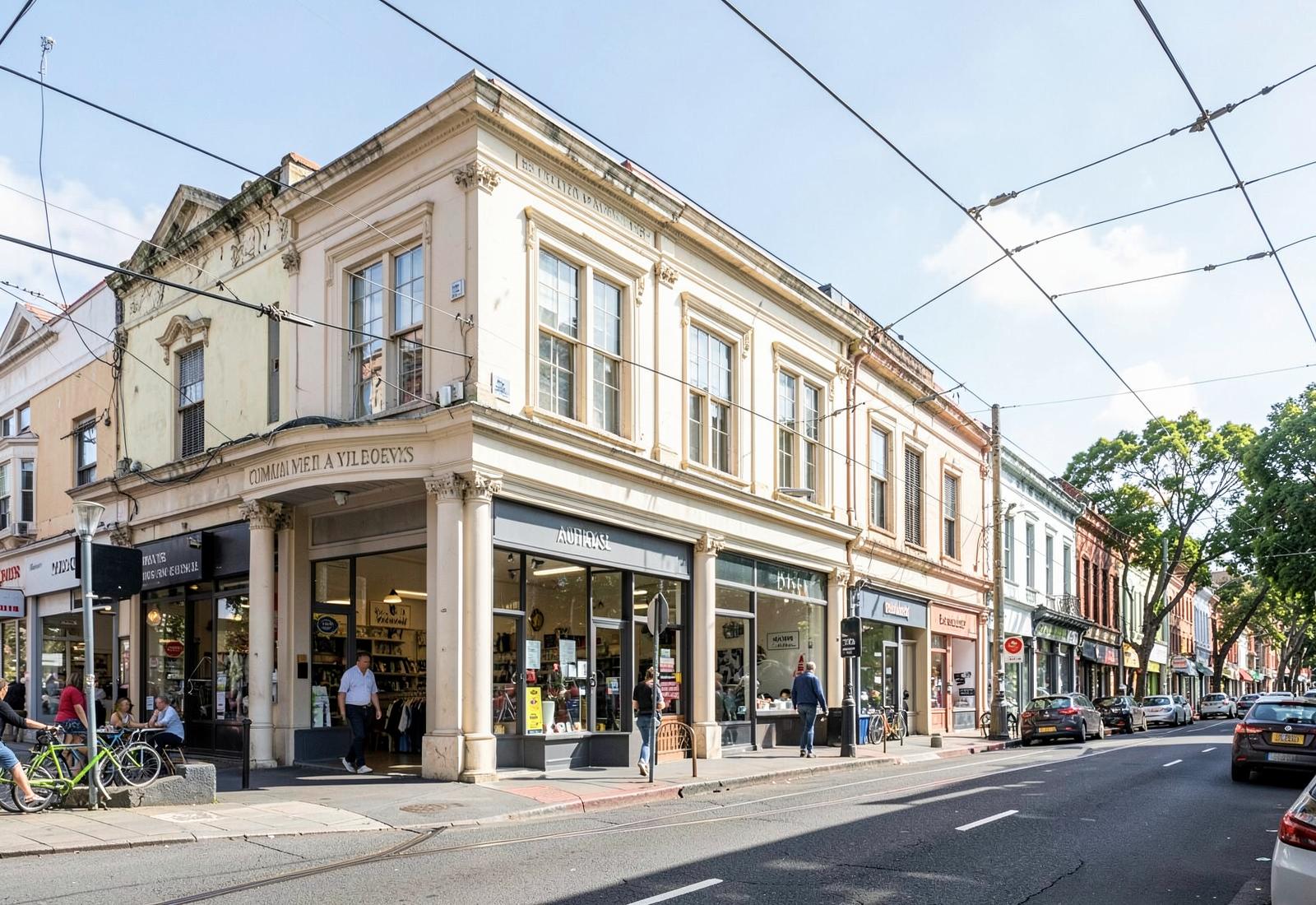
Retail and service based commercial property
Understand what brings the customer to the premises
Melbourne contains an extensive network of retail strips, suburban centres, neighbourhood precincts and mixed commercial locations.
For investors, the strength of retail property depends heavily on the relationship between the tenant and its location.
A hospitality business may value foot traffic and evening activity.
A medical or allied health operator may place greater importance on parking and accessibility.
A professional service business may not need prime retail exposure at all.
We therefore consider:
Who are the customers?
Where do they come from?
How do they access the property?
What competing businesses are nearby?
Is the rent appropriate for the location?
Would another business reasonably use the premises?
A busy location is only valuable if the activity supports the tenant paying the rent.
Current rent and market rent
Understand the income behind the yield
The current rent is one of the most important inputs in a commercial property investment.
But it should never be accepted without context.
We want to understand whether the current rent is supported by the market.
If the tenant is paying materially above market rent, the headline yield may look attractive while creating risk at lease expiry.
If the rent is below market, there may be future potential depending on the lease structure and timing.
The question we want answered is straightforward:
What would another tenant reasonably pay for this property today?
That helps us assess the sustainability of the income and the value of the asset.
Future tenant demand
Buy the property beyond the current lease
A commercial property may be held for significantly longer than the current tenant remains in occupation.
That makes the future tenant market central to the acquisition.
Before buying, we want to know:
How many businesses could use the premises?
Does the building suit the local occupier market?
Would significant refurbishment be required?
How much competing space exists?
What rent could realistically be achieved?
Could the property also appeal to an owner occupier?
The current tenant may be excellent.
But a property with broad future appeal provides the owner with more options.
The lease creates today’s income. The quality of the real estate helps determine what happens after it.
Owner occupiers can influence Melbourne commercial property
Some properties appeal to more than one buyer market
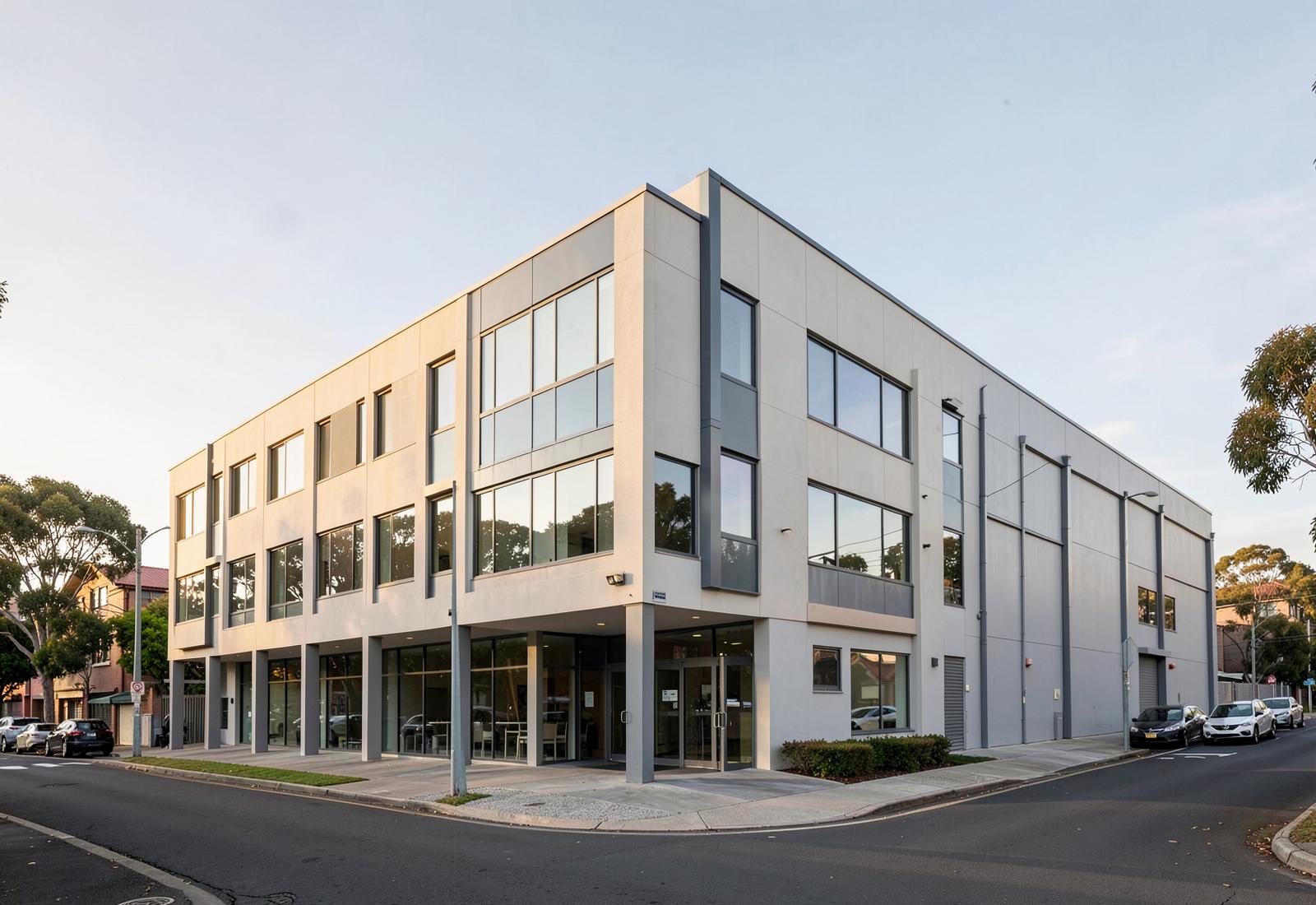
Melbourne has a substantial market of business owners seeking premises for their own occupation.
This can be particularly relevant for smaller and mid sized industrial, medical, office and mixed commercial properties.
Owner occupiers may assess value differently from investors.
They may place a premium on:
- Location
- Access
- Parking
- Operational efficiency
- Exposure
- Control of their premises
- Expansion potential
- Land
A property with appeal to both investors and business owners can have a broader future buyer market.
We therefore consider not only who may lease the property, but who may eventually want to own and occupy it.
Land value and future flexibility
The building creates income. The site can create options.
In some Melbourne commercial markets, the underlying land can become an important part of the investment case.
We consider:
- Site area
- Access
- Frontage
- Shape
- Site coverage
- Planning controls
- Surrounding development
- Potential expansion
- Alternative commercial uses
- Future redevelopment possibilities
A building may remain useful for decades.
It may also eventually become obsolete.
A well located site can provide flexibility beyond the current improvements.
But potential is only useful when it is realistic.
We do not assume future redevelopment simply because a property has land.
Planning, cost, market demand and purchase price still matter.
Understand future supply
More development can strengthen a precinct and increase competition
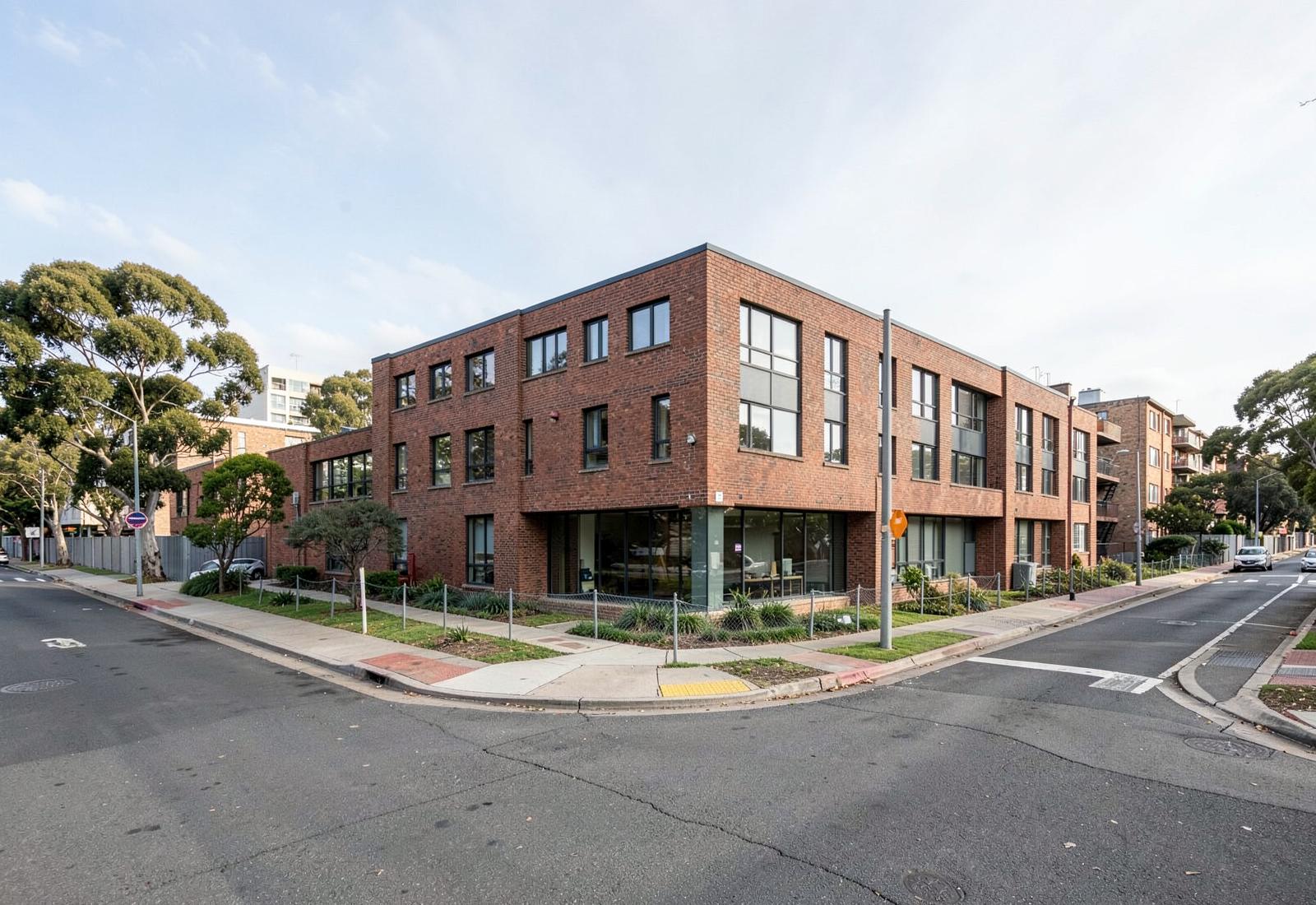
Melbourne continues to expand.
That creates new employment areas, infrastructure and commercial property.
For investors, development can be positive because it reflects business demand and can improve the importance of a precinct.
It can also create more competing property.
We want to know:
What can still be built nearby?
How much vacant employment land remains?
What type of space is being developed?
Will newer buildings compete directly with the asset?
Does the existing property offer something that is difficult to reproduce?
This is particularly important in growth areas where both tenant demand and supply can increase at the same time.
Future demand should always be considered alongside future competition.
Buying commercial property for your business in Melbourne
The premises should work for the business and remain a quality asset
UB Commercial also represents business owners acquiring commercial property for their own occupation.
For an owner occupier, the decision can provide benefits that go beyond investment return.
Ownership may provide greater control over the premises, allow the business to secure an important location and reduce reliance on future lease negotiations.
But we still assess the property as real estate.
Would another tenant want it?
Could another business owner buy it?
Is the building flexible?
Is the location commercially relevant?
What is the market rent?
A property that suits the current business and also remains attractive to future occupiers can provide a stronger long term outcome.
Buying off market in Melbourne
Broaden the search without lowering the standard
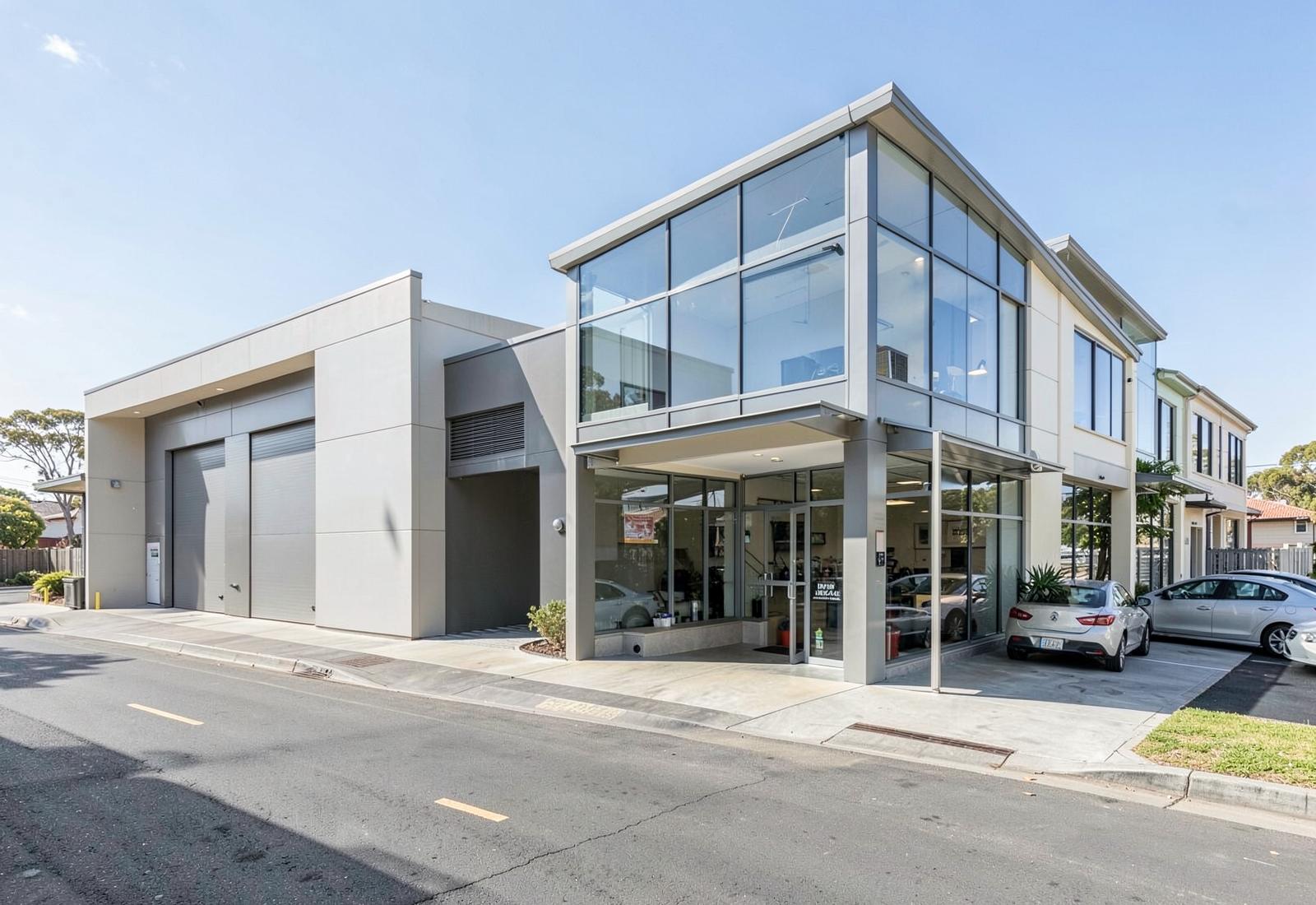
Commercial property in Melbourne can be acquired through public campaigns, pre market introductions and private transactions.
UB Commercial considers all of them.
Agent and owner relationships can help widen the pool of opportunities available to a buyer.
But off market does not mean under market.
A privately introduced property can still be overpriced.
A publicly marketed property can still be the better investment.
We assess every opportunity against the same fundamentals.
What is the property worth?
Is the rent sustainable?
How strong is the tenant?
What does the lease provide?
Would another tenant want the building?
What capital expenditure may be required?
Access creates more opportunities to assess. It does not replace the assessment.
Price discipline matters
A quality asset can still be a poor acquisition at the wrong price
Melbourne provides a large number of potential commercial property opportunities.
That does not mean an investor should compromise simply to secure one.
Once a property appears to meet the brief, we want to establish what it is worth before negotiations become emotional.
That involves considering comparable sales, market rent, tenant quality, lease structure, property fundamentals, future expenditure, leasing risk and alternative opportunities.
The objective is not to pay the lowest price possible.
It is to make sure the final price still supports the investment case.
Winning the property only matters if the acquisition still makes sense once it is yours.
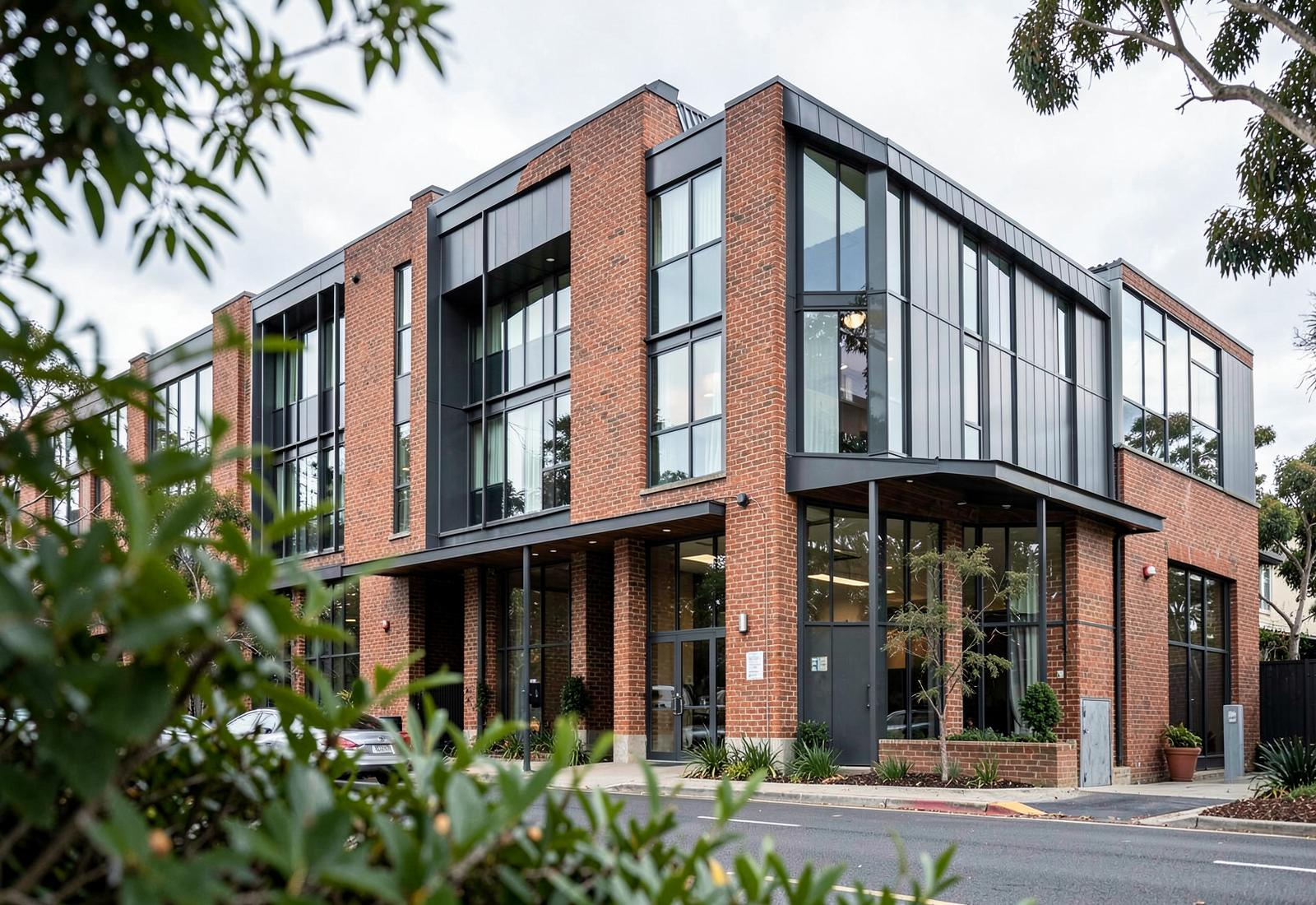
How UB Commercial approaches a Melbourne acquisition
UB Commercial represents the purchaser throughout the commercial property acquisition process.
Depending on the engagement, we can assist with defining the brief, identifying appropriate Melbourne markets, searching on market, pre market and privately introduced opportunities, screening properties, assessing the underlying real estate, reviewing tenant and lease fundamentals, analysing comparable sales, assessing market rent, coordinating commercial due diligence and developing the negotiation strategy.
We also consider what happens after the current lease.
Will the building remain useful?
How broad is the tenant market?
What competing supply may emerge?
Could an owner occupier become a future buyer?
And does the price properly reflect those characteristics?
Where specialist advice is required, we work alongside the client’s solicitor, accountant, finance adviser, building consultant and other appropriately qualified professionals.
Buying commercial property in Melbourne requires a local view
Melbourne offers investors scale, diversity and access to some of Australia’s most established commercial and industrial markets.
That creates opportunity.
It also creates the need to be selective.
The right acquisition may be a modern logistics facility in the West.
A functional industrial building in the South East.
A medical property in an established suburban centre.
A tightly held city fringe asset.
Or something entirely different.
The location needs to suit the strategy.
The building needs to suit the tenant market.
The income needs to be sustainable.
Future supply needs to be understood.
And the price needs to reflect what is actually being acquired.
The opportunity is not simply owning commercial property in Melbourne. It is identifying the right asset within a market large enough to offer genuine choice.
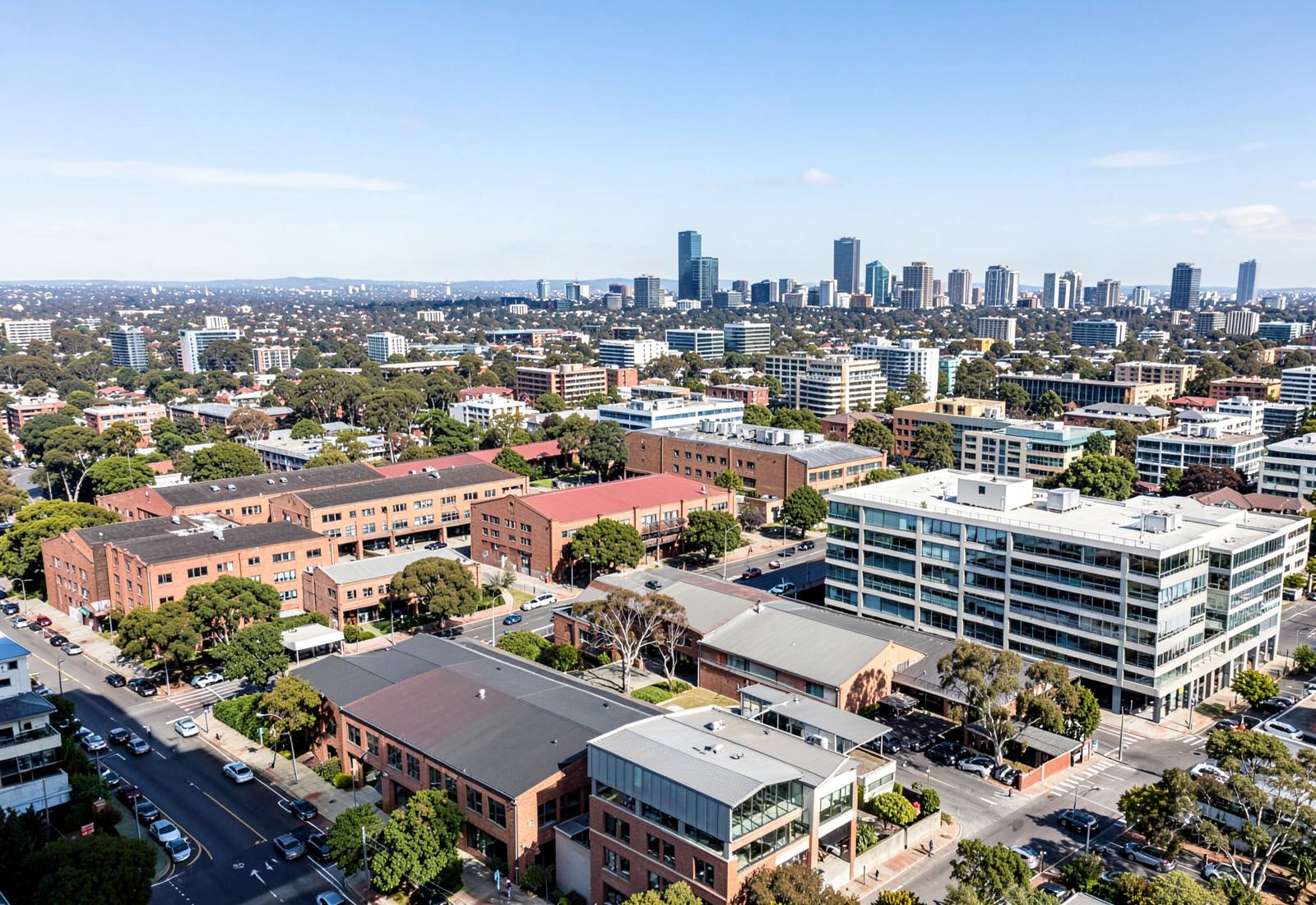
UB Commercial represents investors and business owners acquiring commercial property across Melbourne, including the Inner East, South East, North, West, Bayside and City Fringe.
We help establish the acquisition brief, identify the markets and properties worth considering, assess the opportunity and represent the buyer through negotiation and acquisition.