
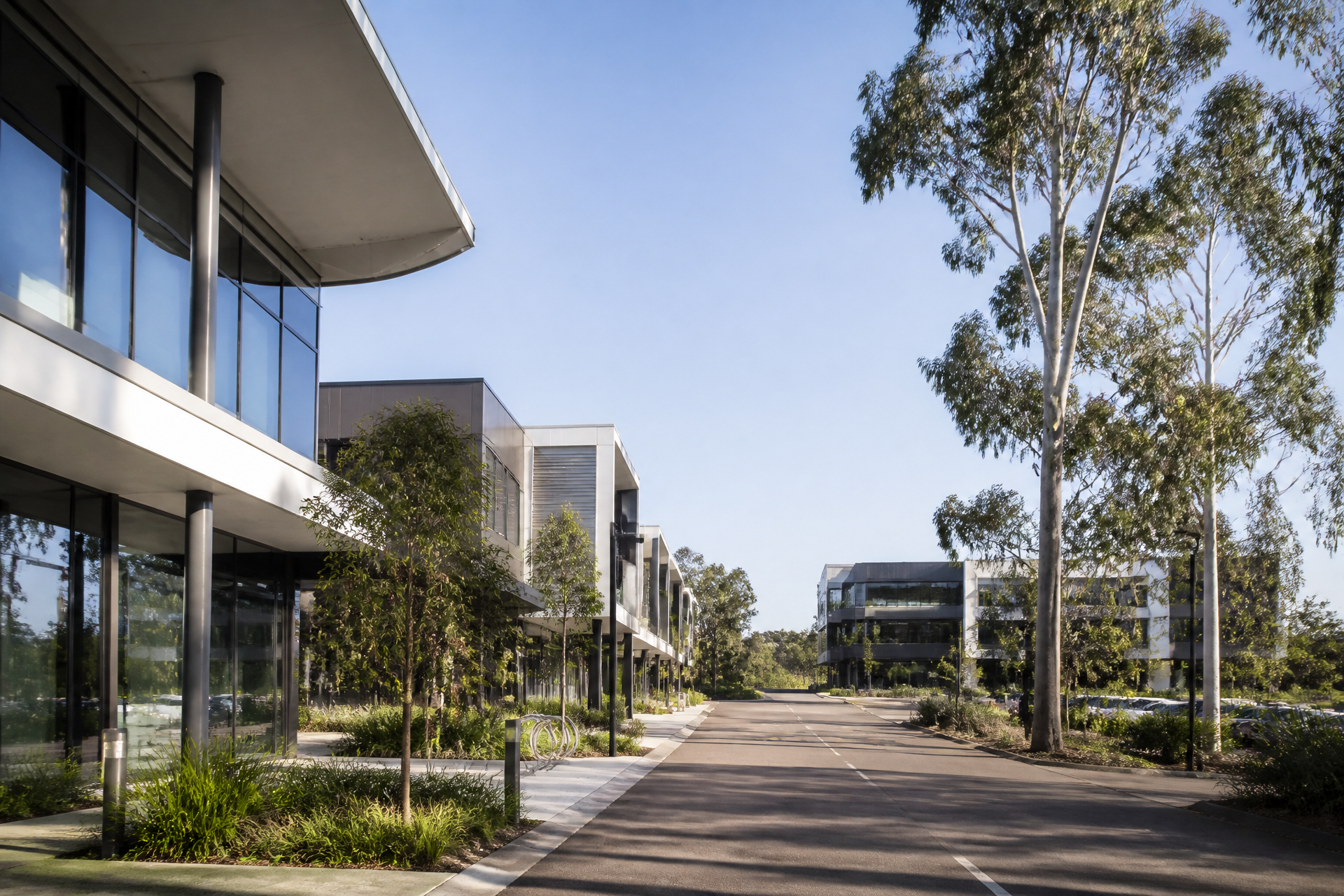
LOCATION — NSW
Commercial Property Buyers Agent Central Coast
The Central Coast occupies a distinctive position between Sydney and Newcastle, close enough to both major cities to benefit from their economic activity, while supporting its own substantial population, workforce and business community.
Buying commercial property on the Central Coast
The Central Coast occupies a distinctive position between Sydney and Newcastle.
It is close enough to both major cities to benefit from their economic activity, while supporting its own substantial population, workforce and business community. More than 350,000 people live in the region, which sits approximately 60 to 90 kilometres north of the Sydney CBD and about 80 kilometres south of Newcastle. (Central Coast Council)
For commercial property investors, that creates several sources of demand.
Local businesses need industrial space, offices, medical premises, retail accommodation and service based property. Manufacturing, transport and warehousing also occupy a significant proportion of the Central Coast's employment floorspace, while healthcare, construction and retail are important parts of the local economy. (Central Coast Council)
But the Central Coast should not be treated as one commercial property market.
Somersby has very different characteristics from Tuggerah. West Gosford serves a different occupier market from Erina. Wyong and the northern employment areas present different opportunities again.
At UB Commercial, we assess where the property, location, tenant demand and price align with the buyer's acquisition strategy.
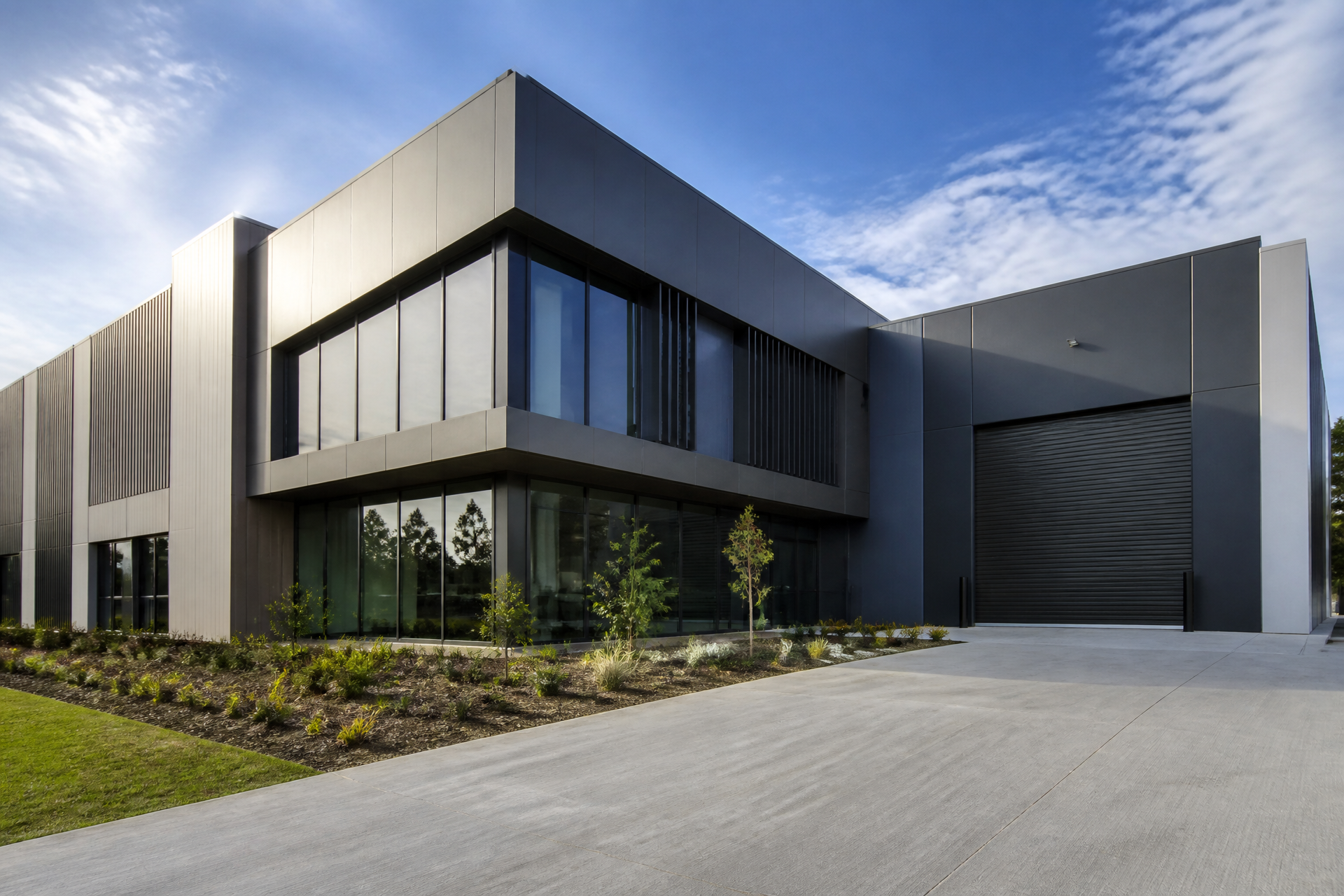
Why investors consider Central Coast commercial property
A market with its own business demand
The Central Coast is sometimes viewed simply as the area between Sydney and Newcastle.
That understates the size of its own economy.
The region has established businesses across construction, manufacturing, healthcare, retail, transport, warehousing, professional services and a wide range of smaller enterprises. Council identifies 29 designated employment precincts across the region, providing more than 3.3 million square metres of employment and residential floorspace. (Central Coast Council)
For commercial property investors, the important point is that demand does not need to come solely from businesses relocating out of Sydney.
There is an established local occupier market.
Our focus is on understanding which types of businesses need a particular location and whether the property suits them.
That means asking:
Who are the likely tenants?
Why do they operate in this precinct?
How much competing space is available?
What would another tenant pay?
How easily could the premises be adapted?
A strong regional economy is useful. A property still needs a clear reason for businesses to occupy it.
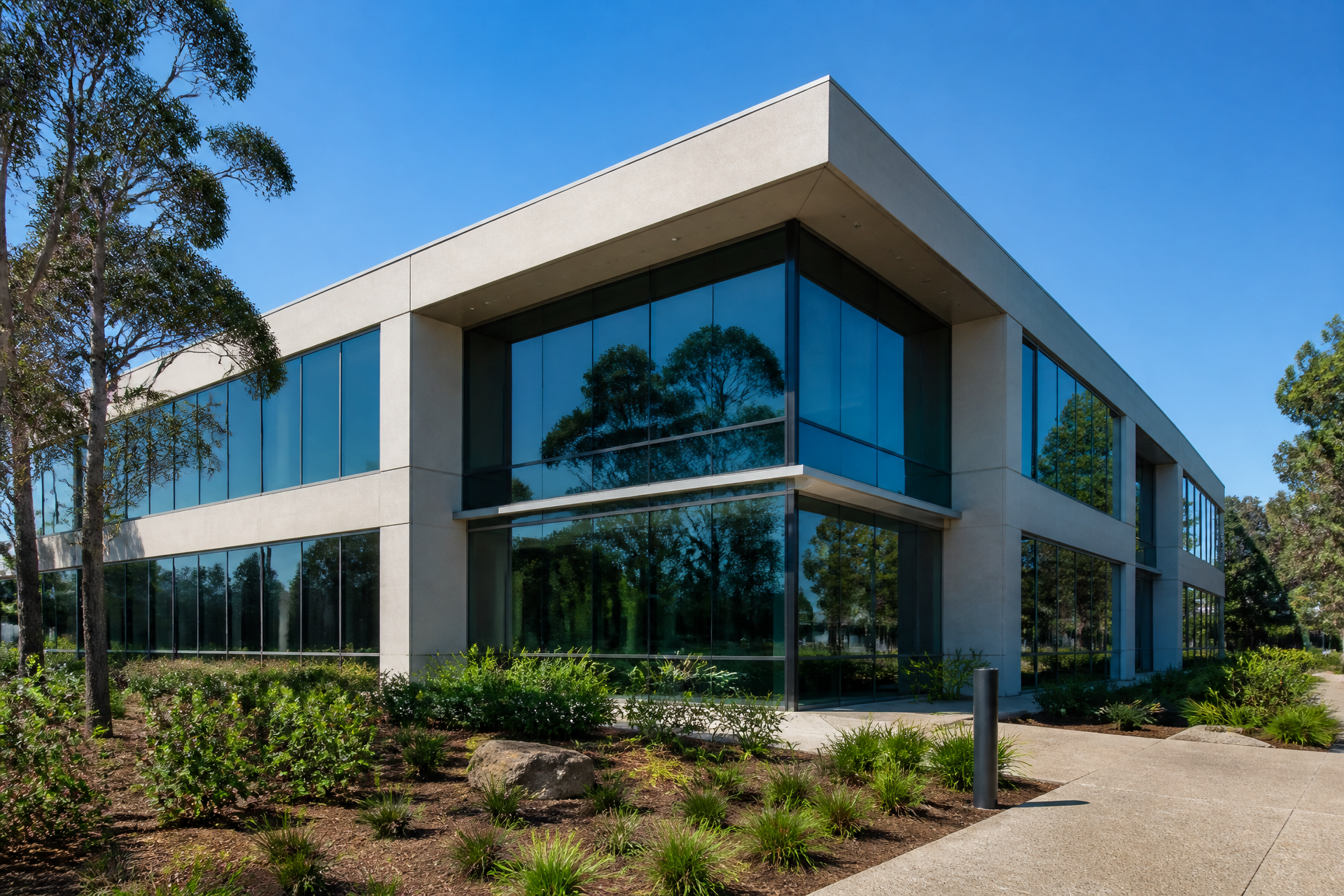
Industrial property on the Central Coast
Access, land and functionality matter
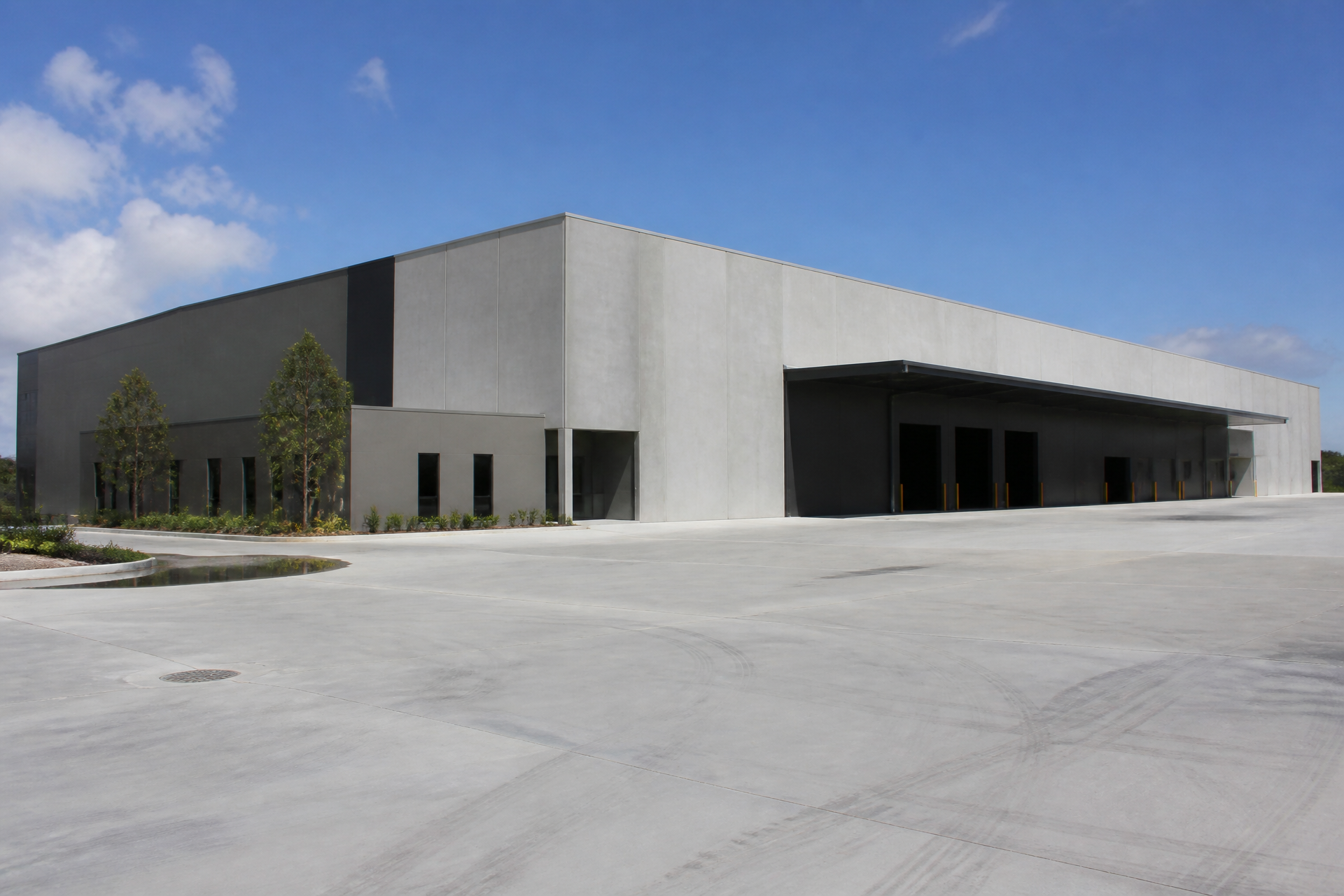
Industrial property is an important part of the Central Coast commercial market.
Established industrial and employment areas include Somersby, West Gosford, North Gosford, Lisarow, Tuggerah, North Wyong and areas further north around Warnervale and Bushells Ridge. (Central Coast Council)
These precincts should not be assessed as interchangeable.
Somersby, for example, benefits from proximity to the M1 and remains an important industrial location in the southern part of the region. Tuggerah forms a substantial employment area through the central corridor, while the northern part of the Central Coast contains significant employment land with capacity for further development. (Central Coast Council)
When assessing an industrial property, we look beyond the suburb and consider how well the site actually works.
That includes:
- Vehicle and truck access
- Proximity to major road connections
- Warehouse configuration
- Ceiling clearance
- Loading areas
- Hardstand
- Parking
- Power supply
- Office component
- Land area
- Site coverage
- Building condition
- Alternative occupier demand
An older industrial building with strong access and a practical layout may remain attractive to a broad tenant market.
A newer building can be less appealing if it is too specialised for the businesses operating nearby.
The building needs to work for the local occupier market, not simply look good in the sales campaign.
The value of M1 connectivity
Connectivity is useful when it improves the property for the tenant
The Central Coast's position along the M1 corridor can be important for industrial, logistics and trade based businesses.
But proximity to a motorway should not automatically be treated as an investment advantage.
We want to know what that connectivity means in practical terms.
Does it improve access to Sydney or Newcastle customers?
Does it make freight movement easier?
Can suppliers and staff reach the premises efficiently?
Is the property well positioned relative to motorway interchanges?
Would another tenant place similar value on the location?
Where the answer is yes, transport access can contribute directly to leasing demand.
The investment value comes from how businesses use the connectivity, not simply from being able to see a motorway on a map.
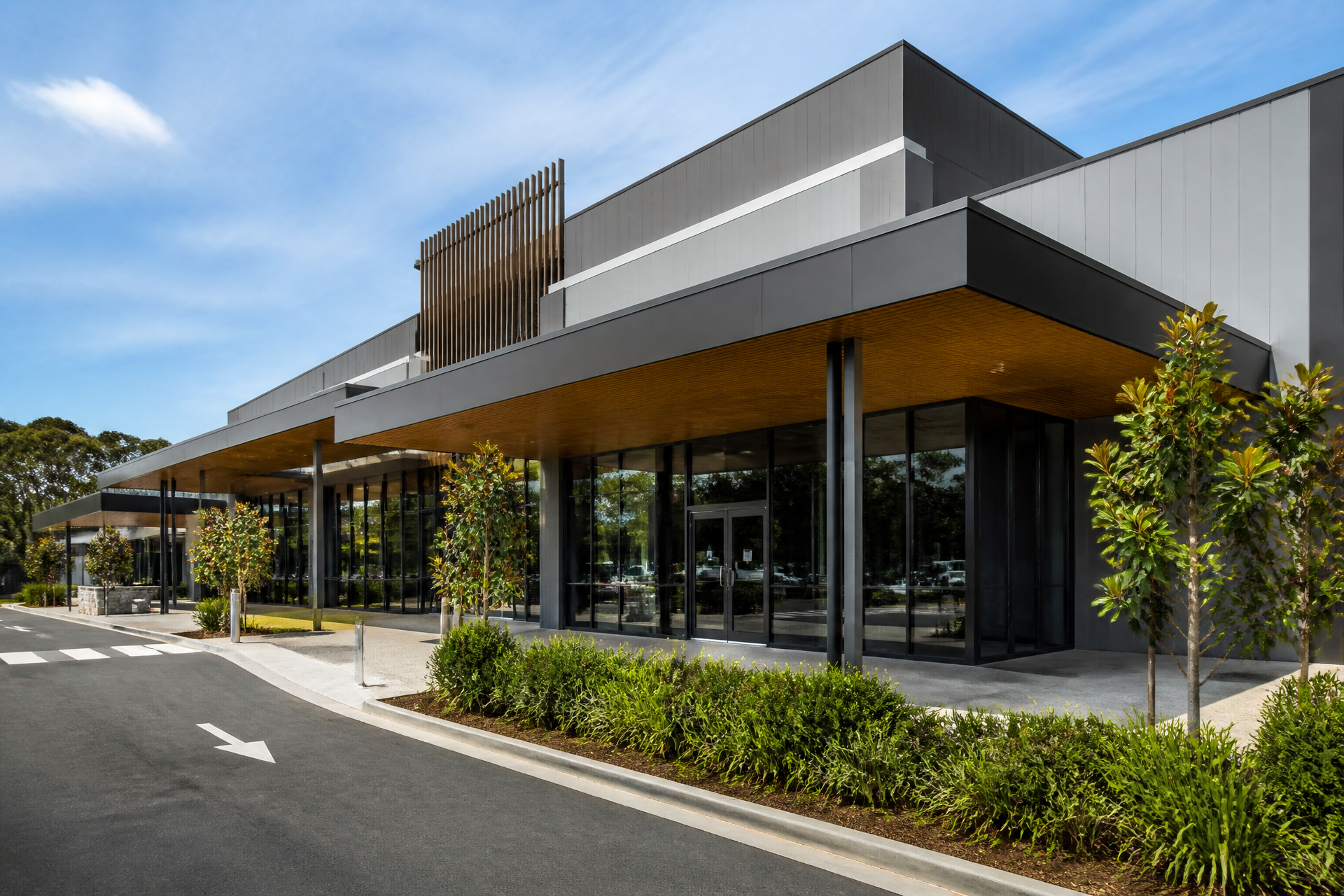
Gosford and commercial property
A regional centre with a different occupier market
Gosford has a different commercial role from the Central Coast's industrial precincts. Office, healthcare, government, professional services and other commercial uses create demand for property that is assessed on different criteria. For office and service based commercial property, we may consider:
- Accessibility
- Parking
- Public transport
- Floorplate
- Natural light
- Building presentation
- Lift access
- Fitout
- Outgoings
- Surrounding amenity
- Local vacancy
- Alternative occupiers
The quality of an office investment depends heavily on how it compares with other accommodation available to businesses. A current lease can provide income certainty. But the long term investment case still depends on whether the building will remain competitive when the tenant eventually moves.
Medical and healthcare property
Understand why the tenant needs the location
Healthcare is a significant employer on the Central Coast, which can create demand for medical and allied health premises. (Central Coast Council) Medical property can be attractive where the location is established, access is convenient and the property suits the needs of the operator. We consider:
- Parking
- Disability access
- Visibility
- Building configuration
- Proximity to complementary health services
- Market rent
- Lease structure
- Tenant covenant
- Fitout
- Alternative medical users
- Ability to adapt the premises for another use
A specialist fitout may strengthen a tenant's commitment to the premises. It can also make the property more expensive to adapt later. That is why the tenant and the underlying real estate need to be assessed together.
Retail and service property
The catchment needs to support the business
The Central Coast contains a number of established town centres, neighbourhood commercial areas and larger retail locations.
For an investor, the important question is not simply how many people live nearby.
It is whether the location works for the business paying the rent.
We look at:
Visibility
Parking
Access
Passing traffic
Residential catchment
Nearby businesses
Competition
Market rent
Outgoings
Alternative uses
A medical practice, convenience retailer and professional service business may all assess the same location differently.
The property needs to be matched to the way the tenant generates its business.
Understand future supply
Existing scarcity and future development are different things
The amount of employment land available across the Central Coast varies significantly by precinct.
Some established locations have limited opportunities to create comparable property, while parts of the northern region contain substantial undeveloped employment land. (Central Coast Council)
That distinction matters.
A property may appear scarce today, but future supply could change the competitive environment.
When considering an acquisition, we want to understand:
How much comparable property already exists?
What vacant land could be developed?
What type of development is likely?
Will new supply compete directly with the asset?
Does the existing property have advantages that are difficult to reproduce?
Scarcity should be assessed against what can be built next, not only what exists today.
Understand the depth of the tenant market
The next tenant matters
A commercial property investment can extend well beyond the term of the current lease.
That means we need to consider what happens if the premises become vacant.
How many businesses could use the building?
Would the current configuration suit them?
What market rent could be achieved?
Would incentives be required?
How long could reletting take?
Could the property also appeal to an owner occupier?
A flexible property with a broad range of potential occupants gives the investor more options.
This becomes particularly important where the property is specialised or larger than the typical premises occupied by local businesses.
Current rent and market rent
Know whether the income is sustainable
A strong headline yield is only useful if the underlying rent can be supported.
We compare the current rent with available market evidence to understand whether the property is under rented, over rented or broadly aligned with the market.
If the rent is materially above market, the current income may be difficult to reproduce when the lease ends.
If the rent is below market, there may be future potential depending on the lease terms.
The key question is:
What would another tenant reasonably pay for this property today?
That gives us a clearer view of the income supporting the investment.
How UB Commercial approaches a Central Coast acquisition
UB Commercial represents investors and business owners acquiring commercial property across the Central Coast.
Depending on the engagement, we can assist with:
- Establishing the acquisition brief
- Identifying suitable commercial precincts
- Searching on market, pre market and off market opportunities
- Screening properties
- Assessing the underlying real estate
- Reviewing the tenant and lease
- Analysing comparable sales
- Assessing market rent
- Coordinating commercial due diligence
- Evaluating future tenant demand
- Developing the negotiation strategy
- Negotiating with the selling side
- Assisting through to settlement
Where specialist advice is required, we work alongside the client's solicitor, accountant, finance adviser, building consultant and other appropriately qualified professionals.
Buying commercial property on the Central Coast
The Central Coast can offer investors a combination of established local demand, major transport connectivity and a diverse range of commercial property.
But the opportunity differs significantly by precinct and asset type.
For us, the decision comes back to the fundamentals.
Does the location work for the tenant?
Is the building practical?
Is the income sustainable?
How deep is the future occupier market?
What competing supply may emerge?
And does the price appropriately reflect those factors?
The Central Coast provides the market. The quality of the individual asset determines whether it is worth owning.
UB Commercial represents investors and business owners acquiring commercial property throughout the Central Coast.
We help define the brief, identify opportunities, assess the property and negotiate the acquisition from the buyer's side.